placeholder placeholder placeholder album cover
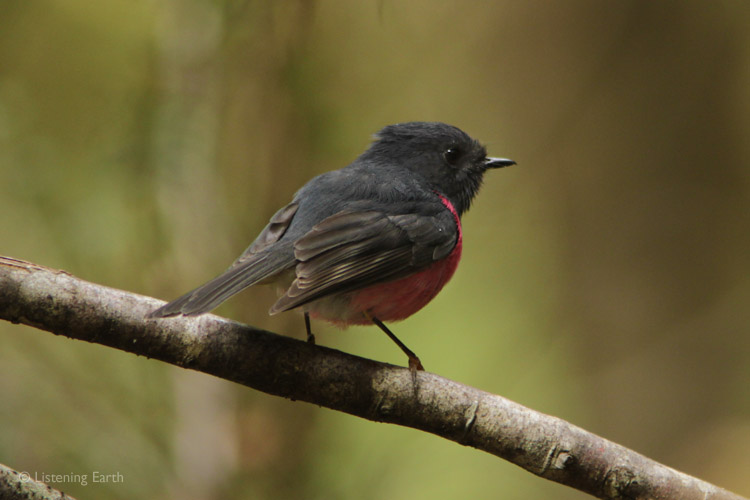
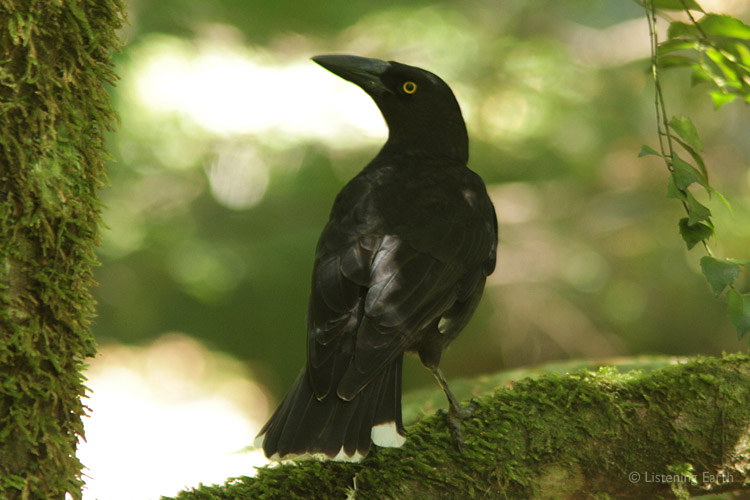
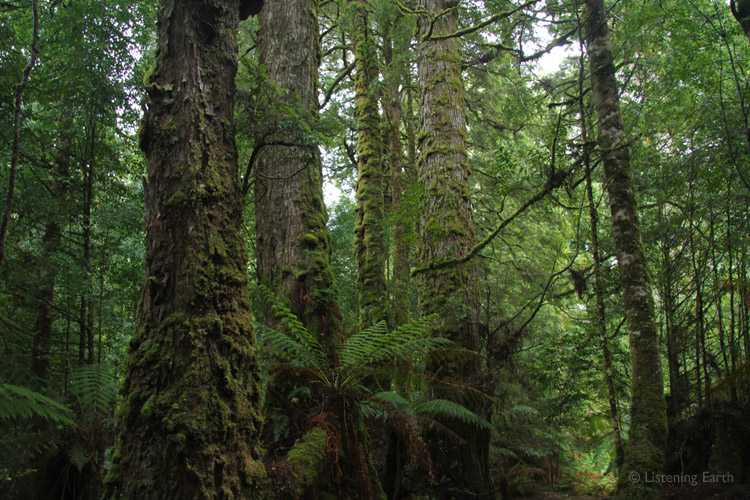
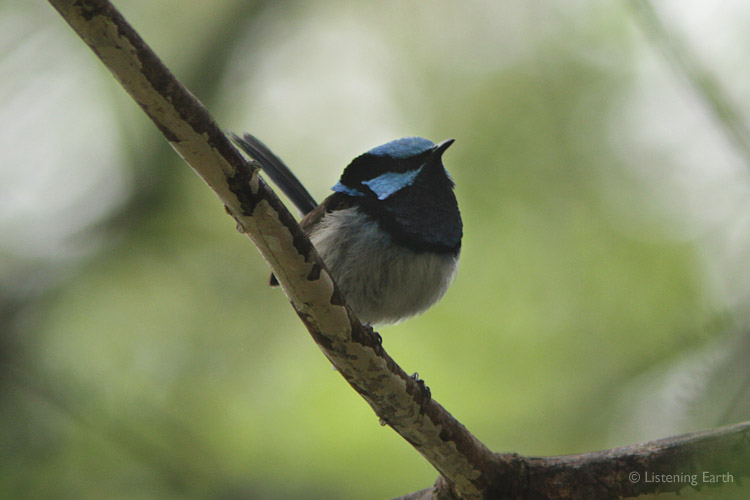
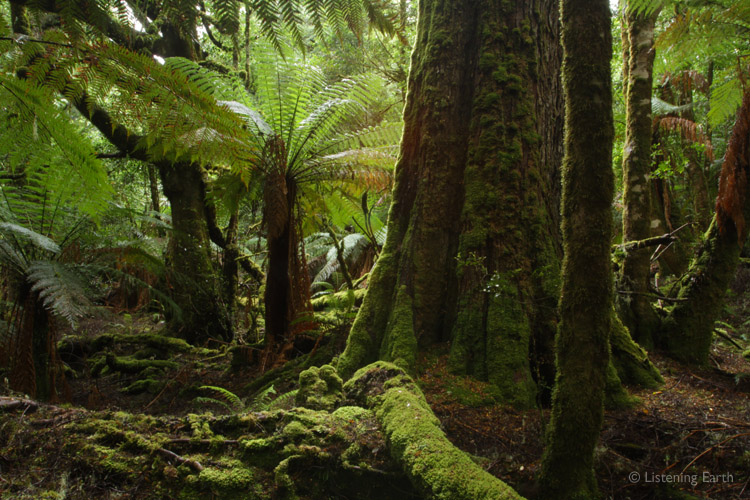
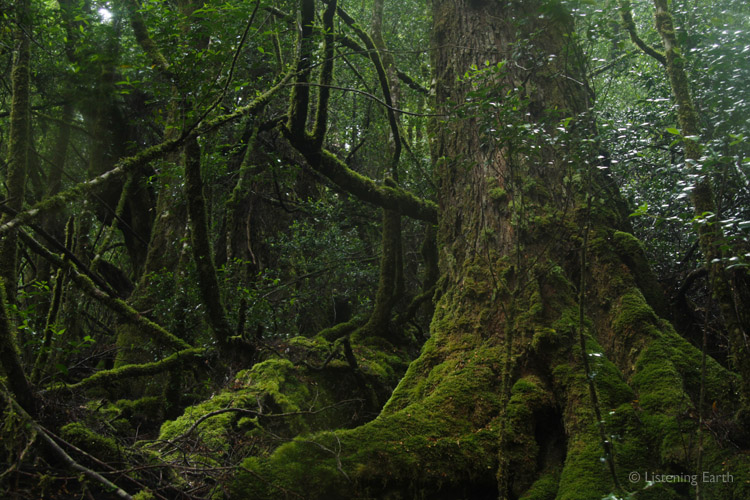
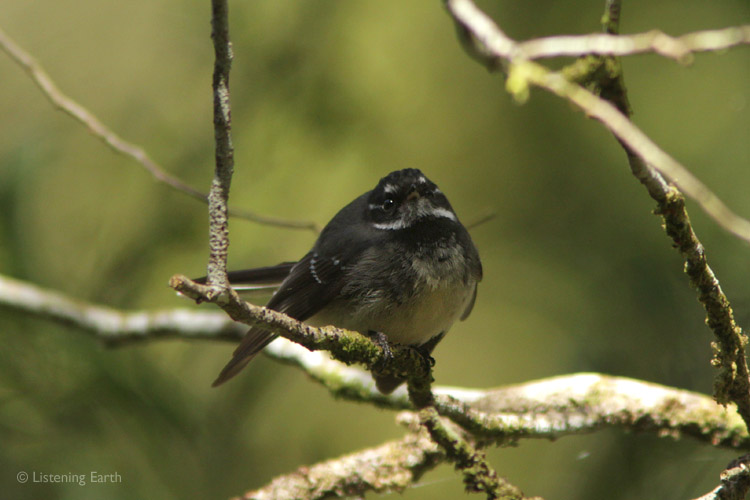
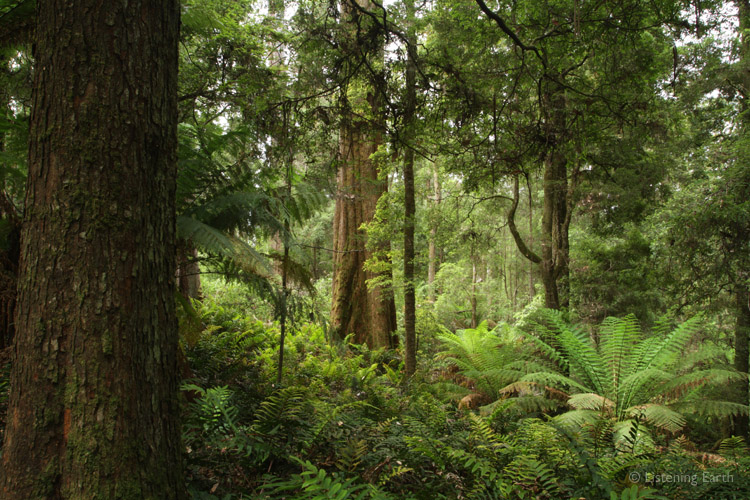
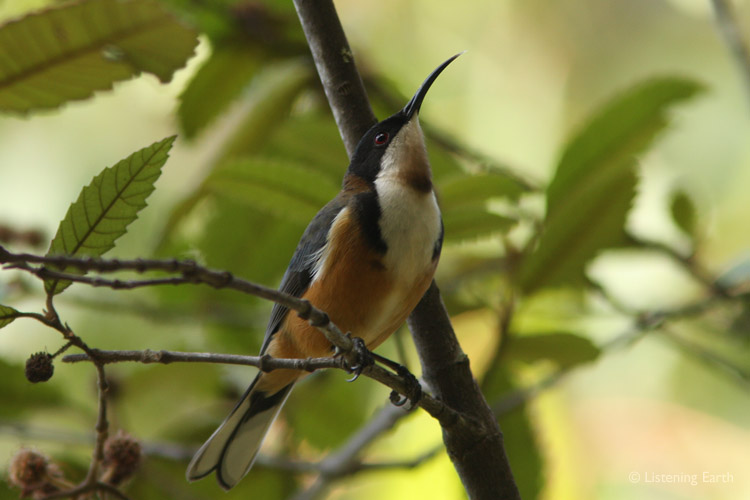
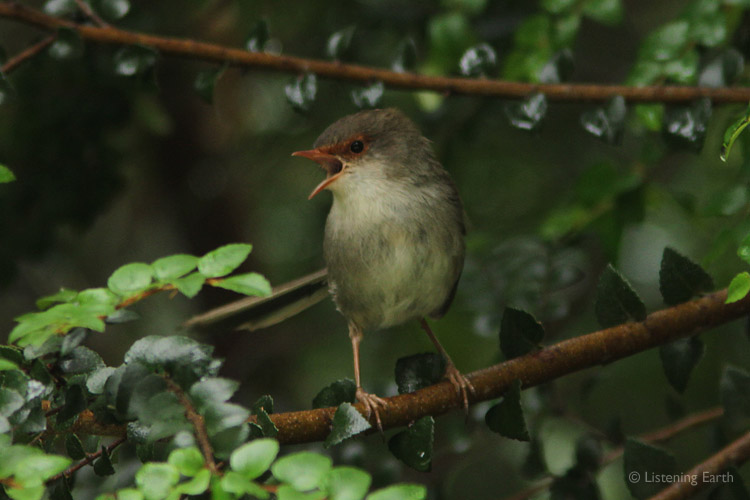
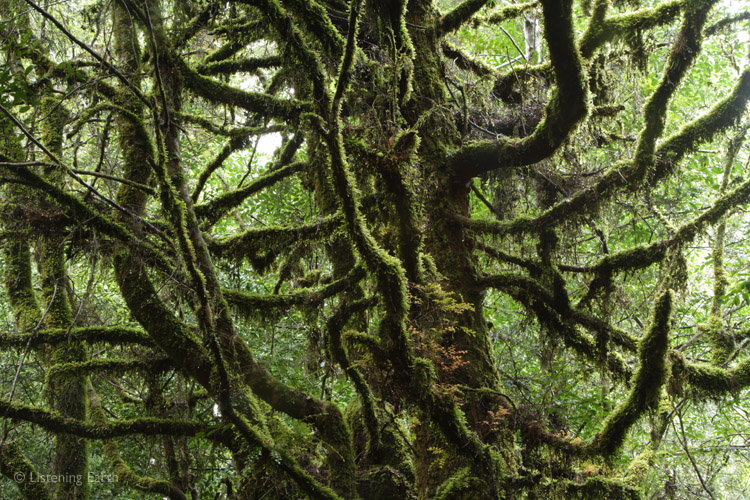
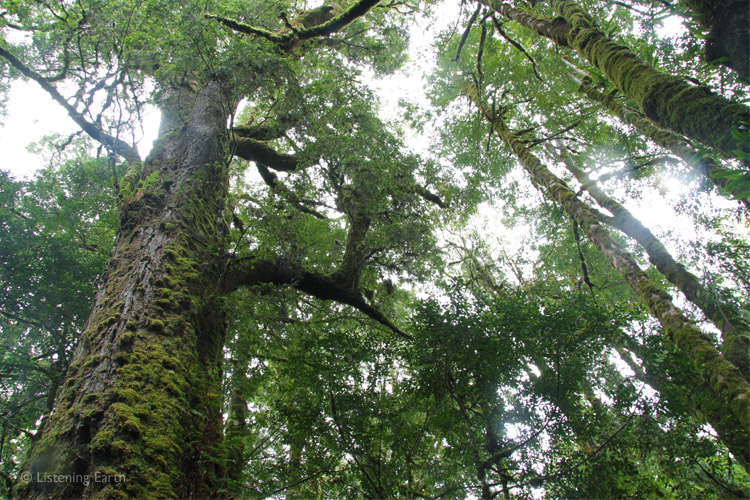
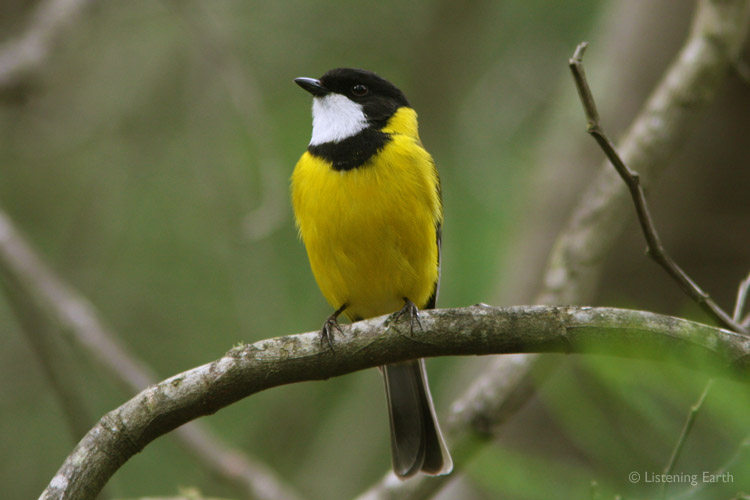
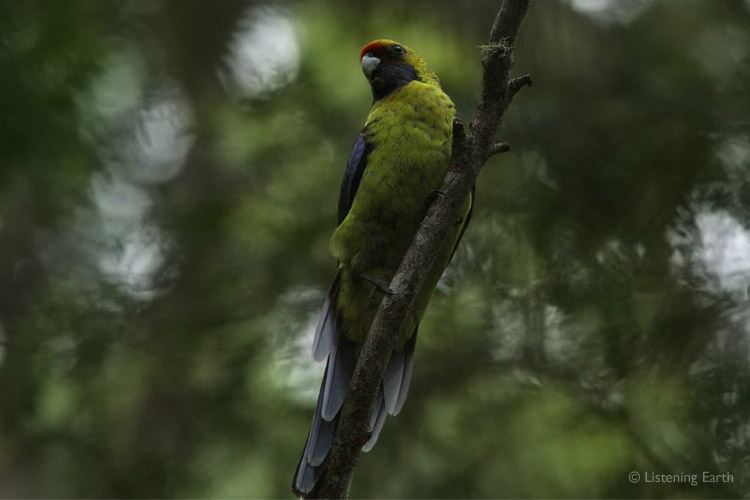
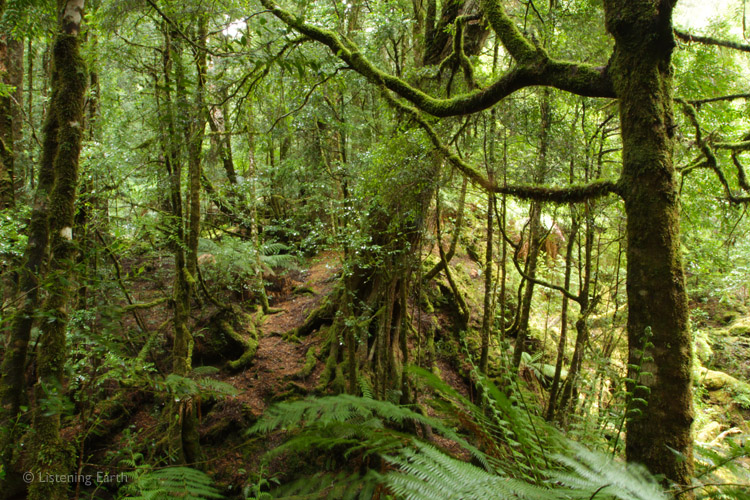
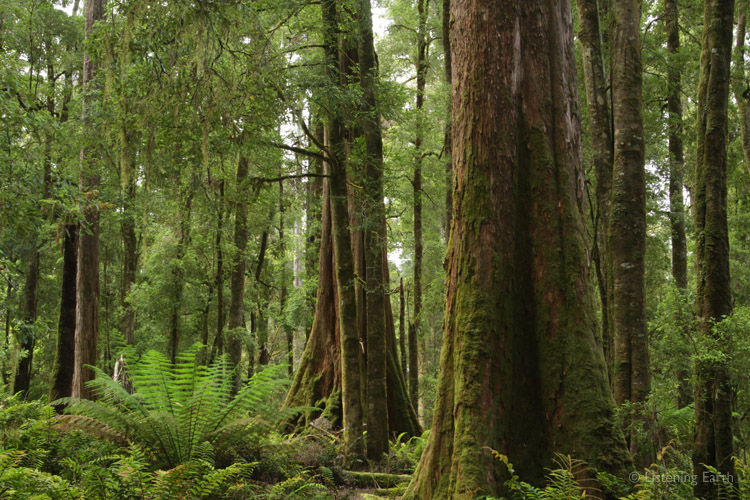
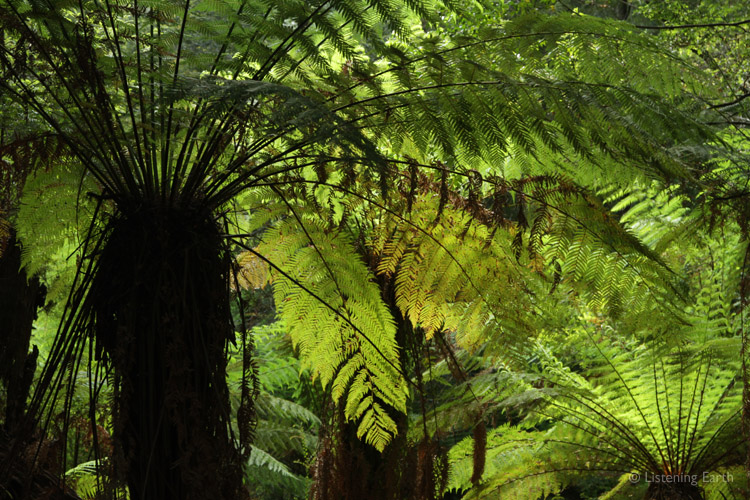
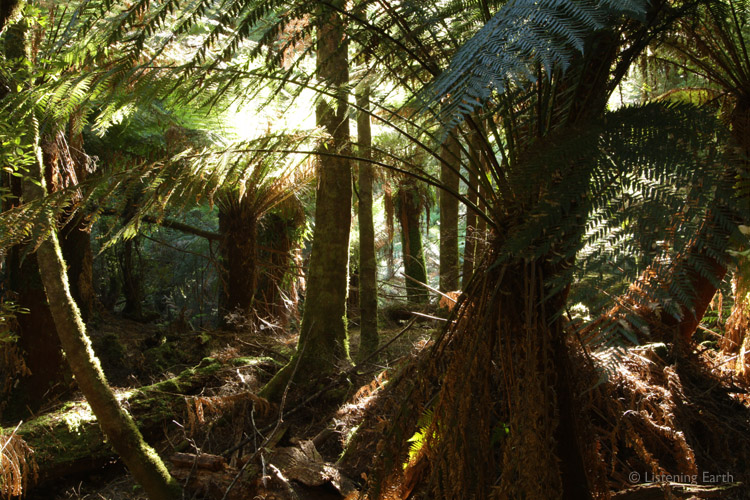
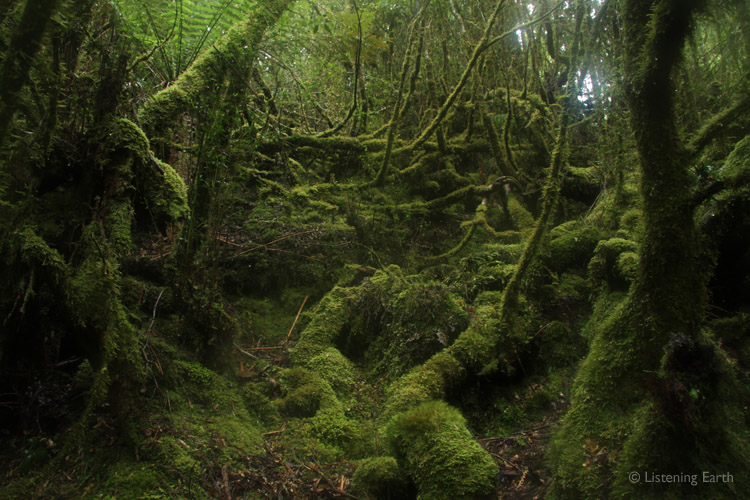
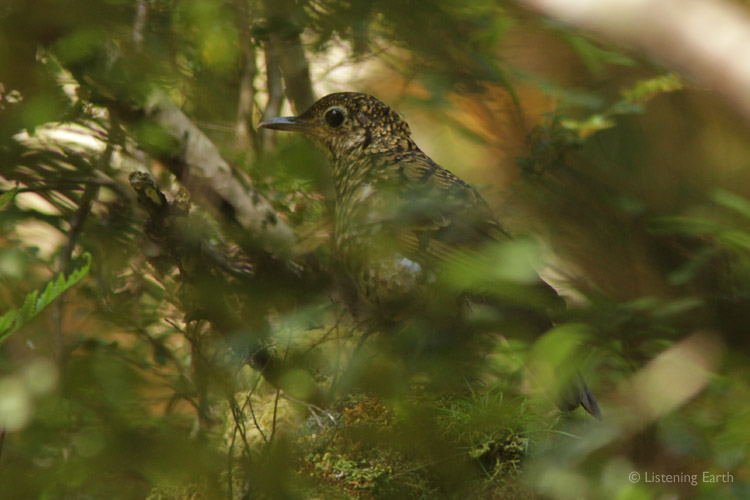
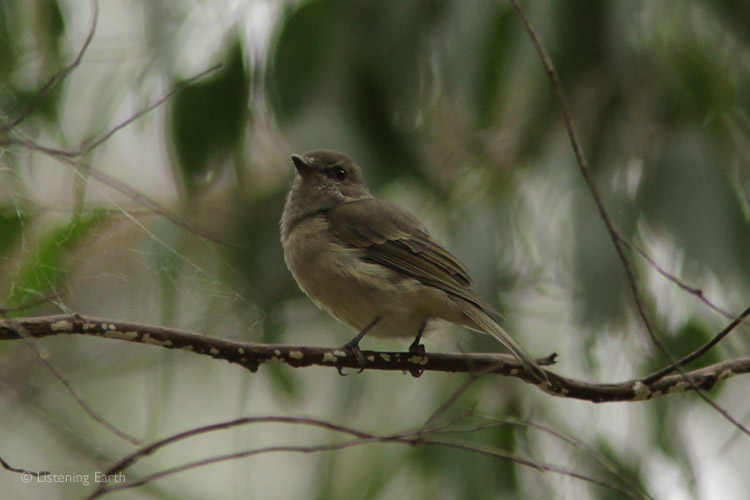
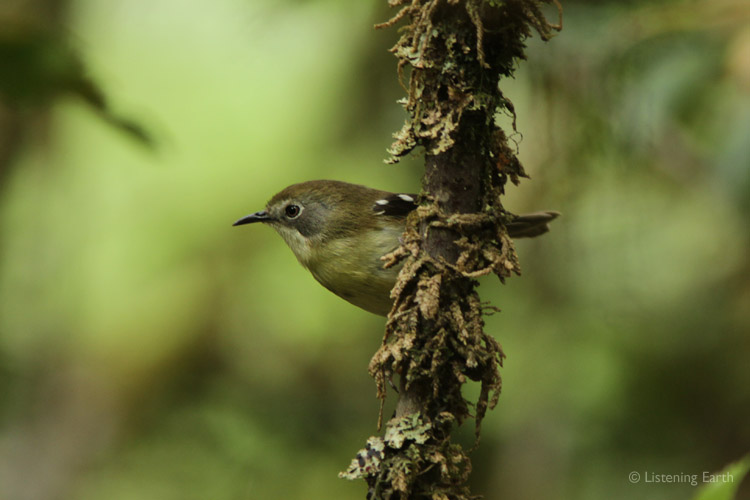
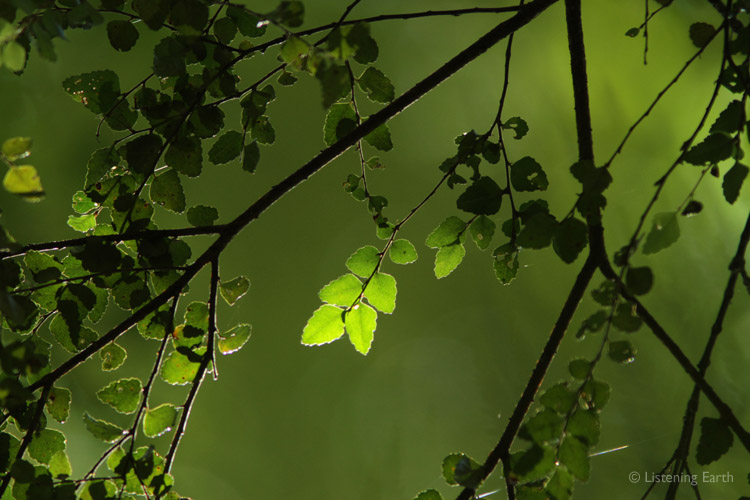
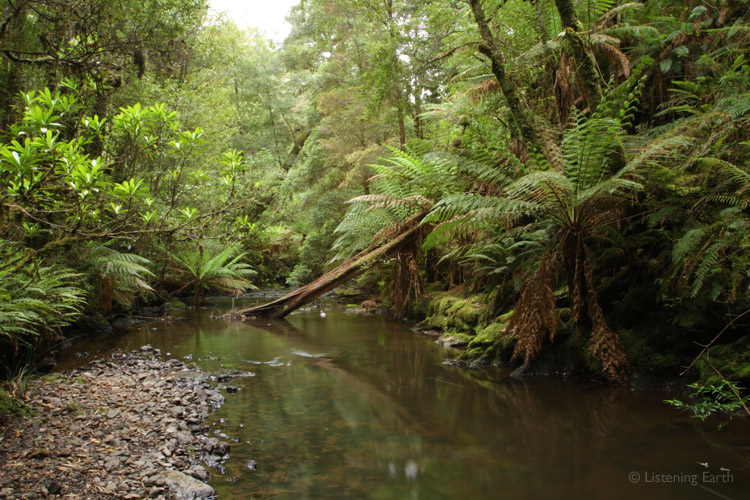
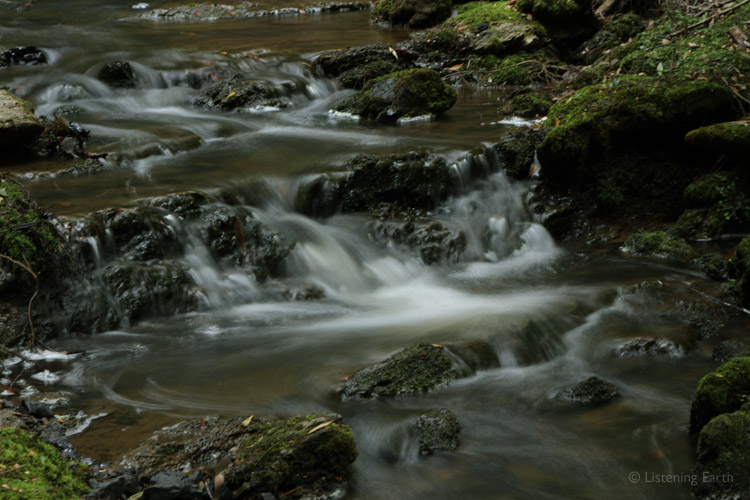
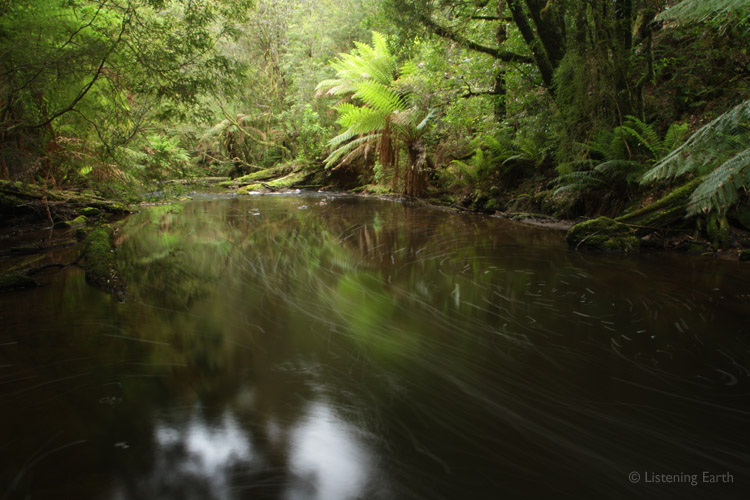
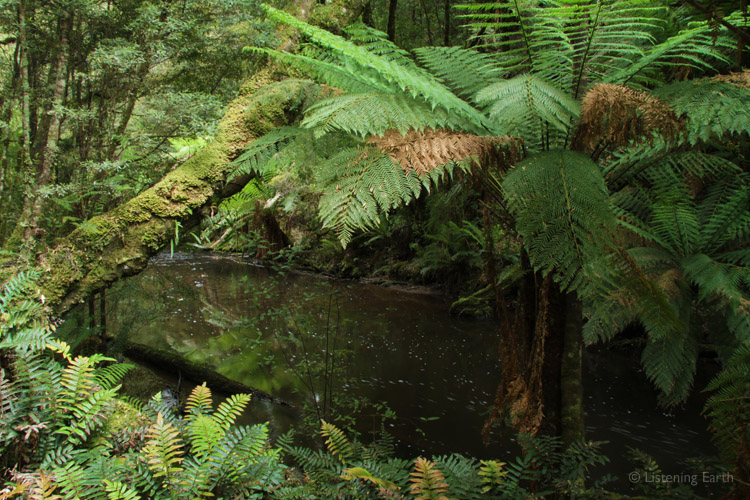
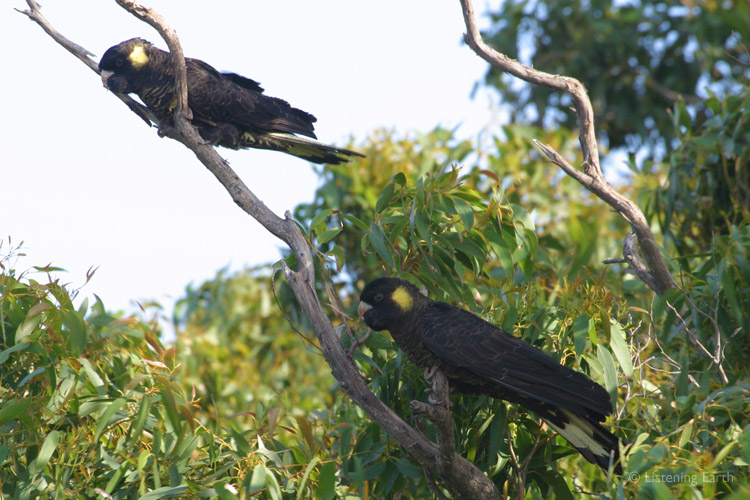
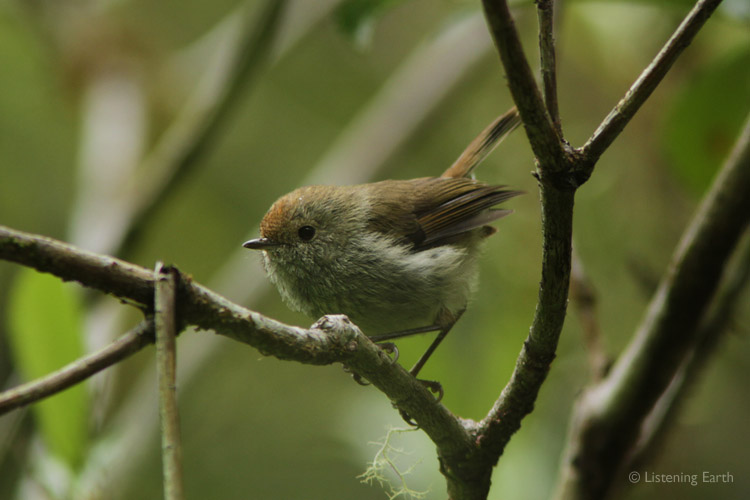
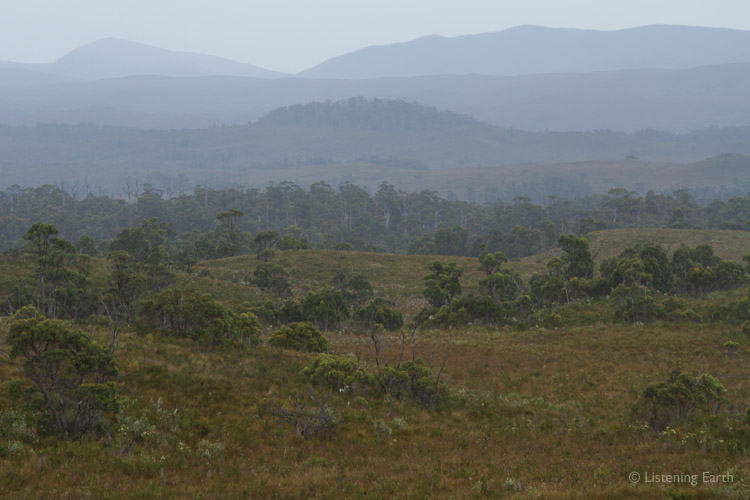
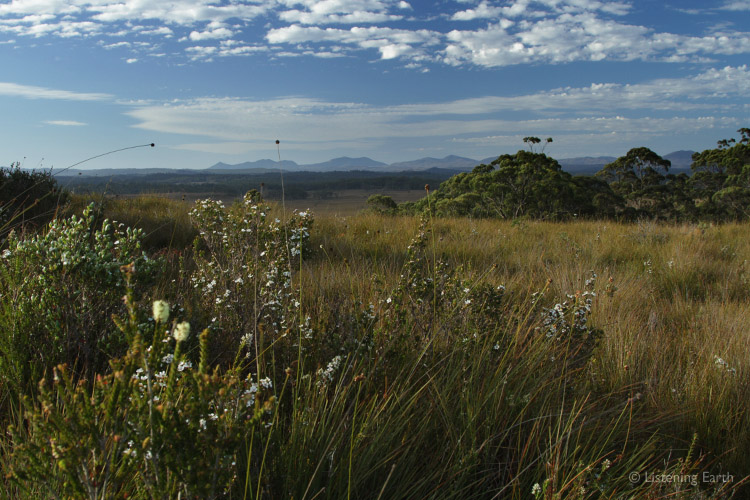
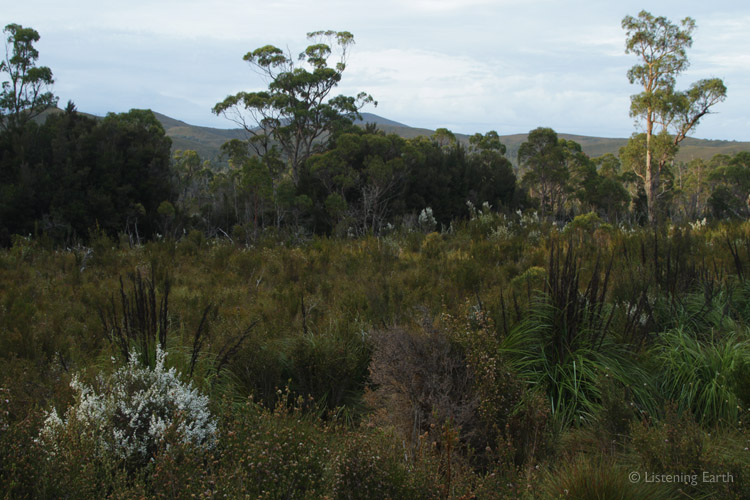
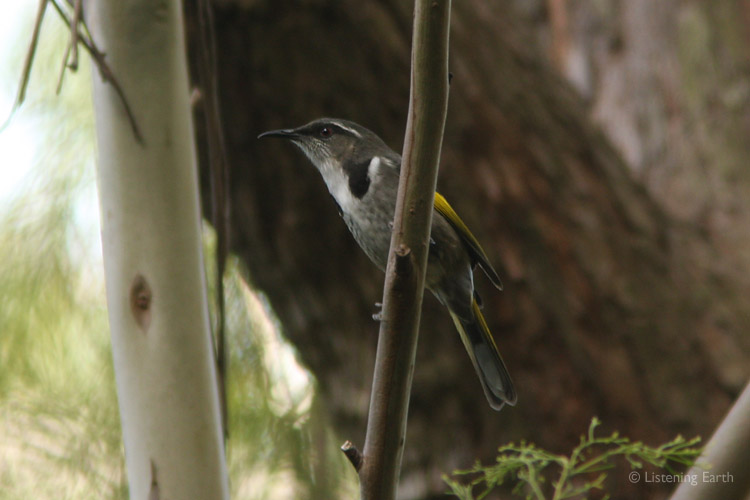
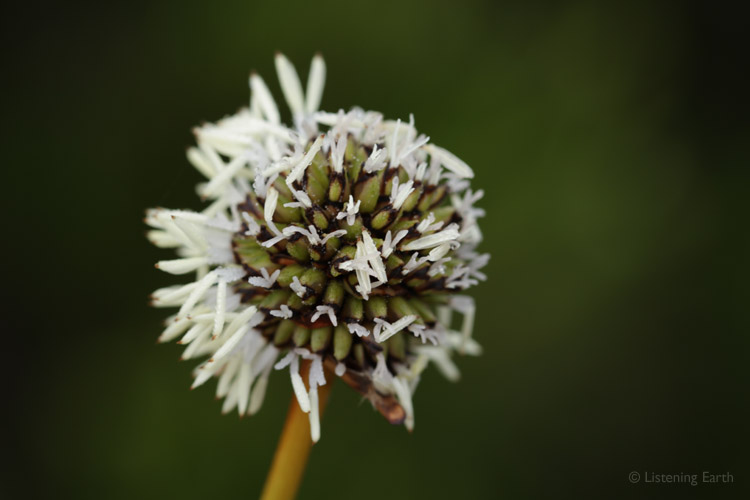
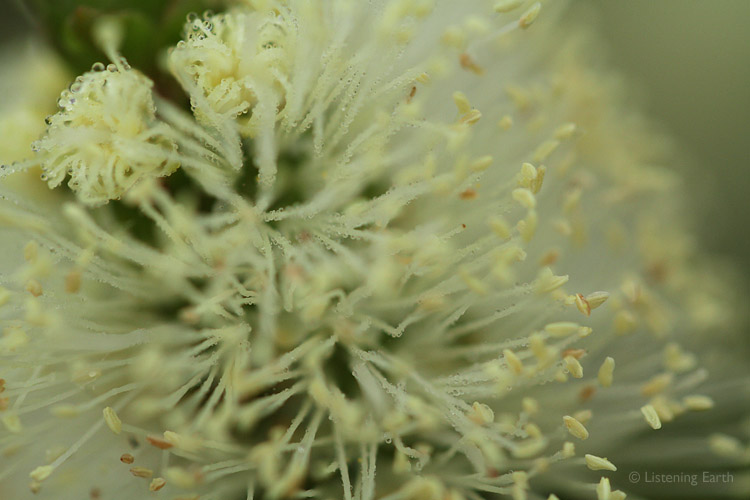
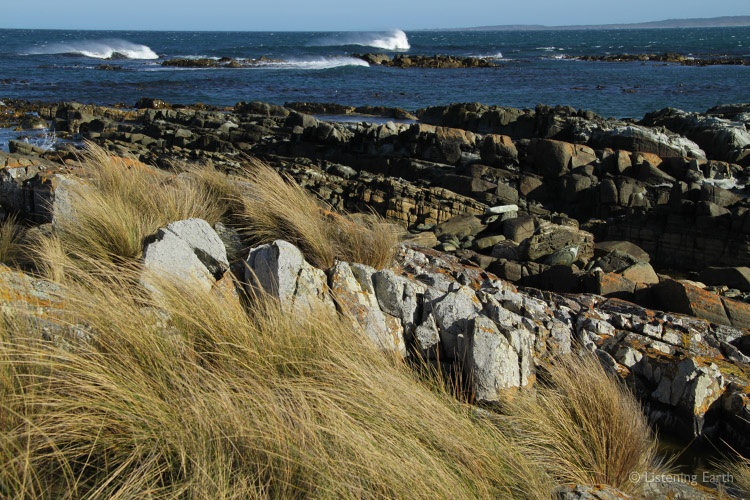
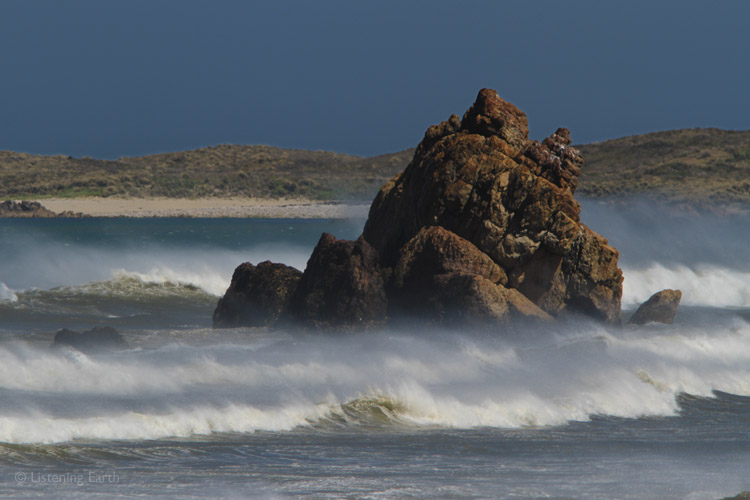
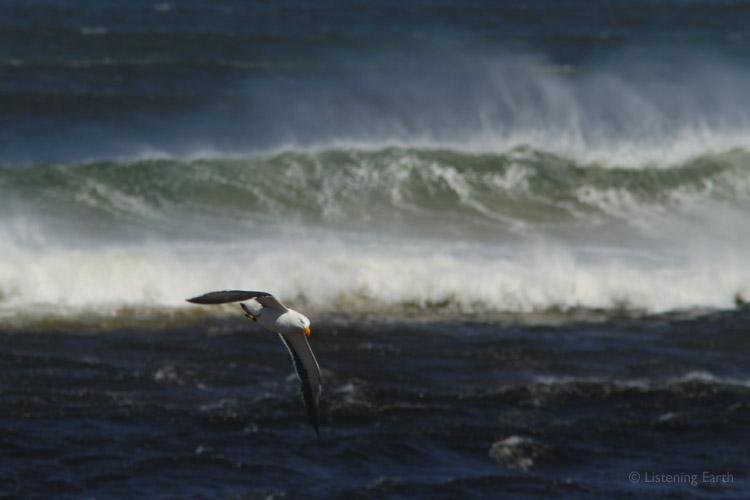
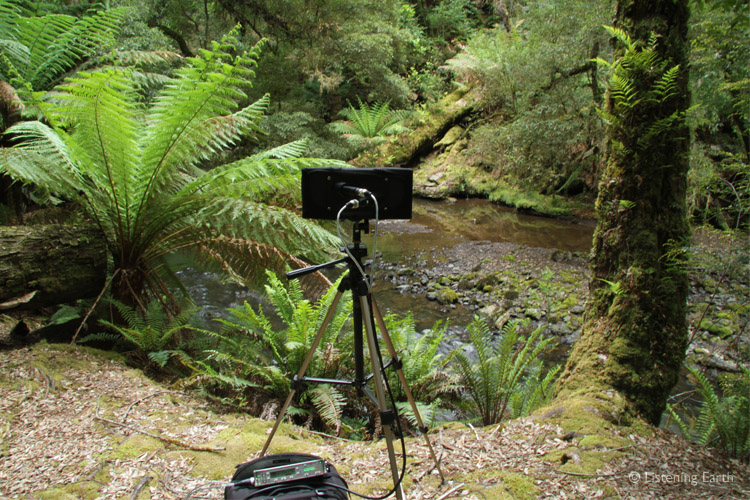
The Tarkine spring dawn chorus begins (as does our album) <br>with the tinkling songs of Pink Robins The loud calls of Black Currawongs have evolved to carry far through the forest The Tarkine - largest temperate rainforest in the Southern Hemisphere The rippling song of Superb (Blue) Fairy Wrens is also heard on track 1 An ancient world - myrtles, beeches and tree ferns are found in the fossil record<br> from the time of the dinosaurs, some 150 million years ago A massive myrtle tree like this will be many hundreds of years old An ever-active Grey Fantail, their silvery calls are heard throughout the day Deep in the Tarkine's forests, an untouched realm An Eastern Spinebill, a nectar feeder of shrubs and the outer canopy Superb Fairy-wren in full song The cascading boughs of an ancient Myrtle, draped with mosses and epiphytes The Tarkine canopy; a bit thin compared to tropical forests, <br>but these temperate forests grow more slowly Male Golden Whistler in full breeding plumage The Green Rosella, endemic to Tasmania. Their bell-like calls ring out in the Tarkine The Tarkine is the last known home of the extinct Thylacine, <br>and is now refuge for the only remaining population of disease-free Tasmanian Devils Stand of tall trees near Lake Chisholm in the northern Tarkine Called 'Man Ferns', this tree fern species can create their own canopy at ground level Tree fern buttresses and fallen logs can make the forest difficult to walk through Horizontal scrub, a vegetation type unique to The Tarkine, and perilous to traverse A secretive Bassian Thrush hides among ferns and ground litter The Olive Whistler, more dapper and ambiguous than his golden cousin A tiny Scrubtit, another Tasmanian endemic, <br>often encountered flitting among the ground ferns Dappled light on myrtle leaves Stream flows quietly in the upland forest <br>These headwaters turn into wild rivers downstream A tributary stream gurgles quietly in the cool shade of the rainforest Reflections in slowly moving waters. <br>This is a time exposure, capturing the slow drift of bubbles on the water surface By a Tarkine stream; the actual recording location for tracks 4 & 5 The spirit voice of the Tarkine - Yellow-tailed Black Cockatoos A curious Tasmanian Thornbill; a small flock of them are heard on track 6 The Tarkine's vast, open buttongrass plains These plains are also precious, home to as much, <br>if not more, biodiversity than the rainforests Flowering heaths attract a great diversity of birdlife... ... such as this handsome Crescent Honeyeater, one of the more common <br> birds on the heathlands. Their sharp, colourful songs are heard on tracks 8 & 9 Close up on the tiny seed head of a Buttongrass Dew on bottle brush blossom The wild Tarkine coast; track 10 The Edge of the World; at this latitude, from here westwards <br>there is no landfall until South American Patagonia A Pacific Gull plays with the winds of the Roaring 40s On location, recording in the Tarkine
previous

next
cover

Image gallery to accompany the album: 'Time for the Tarkine'

Your browser does not support the audio element.